
Behind-the-Scenes Experiences at the Studio Tour
Effects, SFX, Green Screen etc
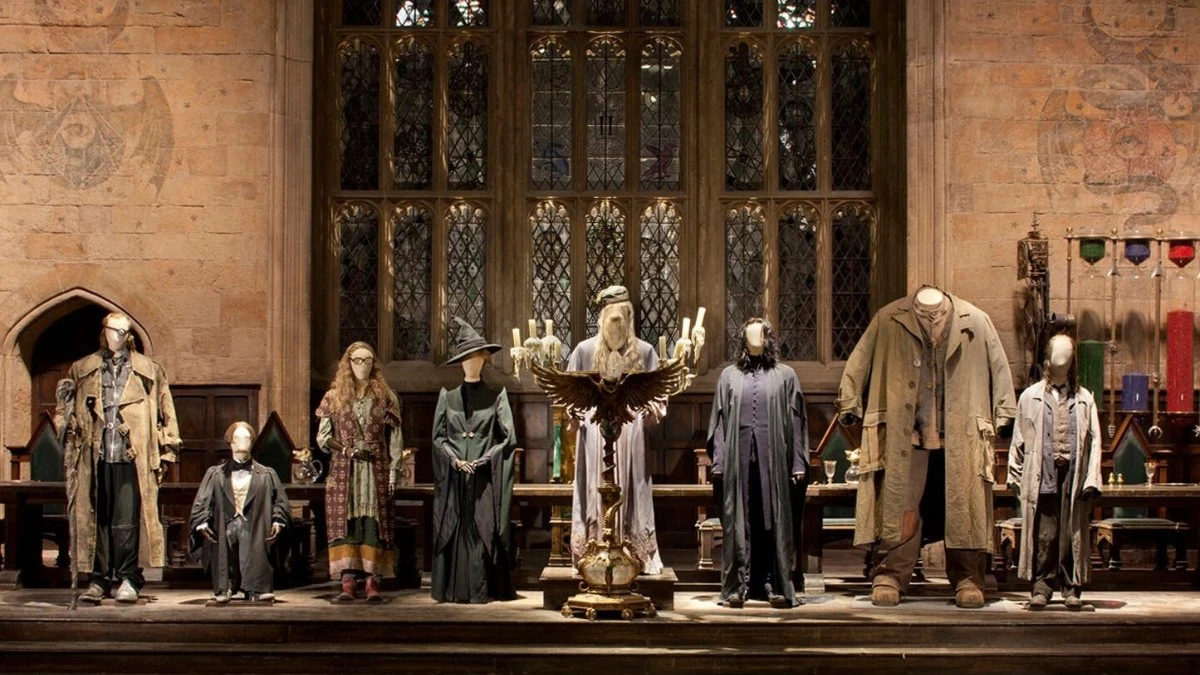
The Warner Bros. Studio Tour London – The Making of Harry Potter pulls you into the production floor of the Wizarding World. You’re not just looking at sets—you’re tracing how art, props, SFX, VFX, costumes, and stunts turned sketches into cinema.
Warner Bros. Studio Tour London – The Making of Harry Potter gets more than 2 million visitors annually, so book your tickets in advance. The Standard Ticket is both cheaper and more popular but you explore the studios on your own. With the costlier Guided Tour Ticket a guide walks you through the sets while sharing stories.
What “Behind the Scenes” really means at the Harry Potter Studio Tour
At the Studio Tour, “behind the scenes” isn’t just a phrase—it’s reality. You’ll step onto actual film sets, walk the cobbled streets of Diagon Alley, wander through the Forbidden Forest, and stand inside the iconic Great Hall.
Along the way, you’ll discover how sketches became sets, how props were designed, and how special effects created unforgettable movie moments. Every detail reveals the incredible teamwork that turned imagination into cinematic history.
Creature effects lab: animatronics, goblins & house-elves
Look closely at the materials—silicone skin, foam latex, hand-punched hairs, and cable rigs—each chosen to move convincingly under light. You’ll see how puppeteers and VFX teams synced performances so creatures felt present with actors. It’s a rare peek at test models, failed prototypes, and the iteration it takes to get a blink or smile just right.
Costumes & makeup: aging spells and battle damage
Continuity binders track every rip, stain, and wand burn so outfits match between takes. Multiple “hero” and “stunt” versions of the same costume reveal how durability and safety are built into the design. Check the labels: dye baths, fabric distressing, and wig knotting are tiny crafts that sell centuries of wizarding history.
Wand choreography: how duels were designed for the camera
Each character’s wand style reflects personality—sharp, direct beats read differently on camera than flowing, circular motions. Choreography is built around the lens, so strikes land on angles the audience can feel. Sound and visual effects are added later, but the physical language is what makes the power believable.
Green Screen 101: broomstick flight & set extensions
Spot the tracking markers and ask staff how eyelines are set so riders “see” the skyline they’ll be composited into. Lighting is matched to the background plates so shadows and highlights feel natural when effects are added. You’ll leave understanding why chroma spill control matters for clean edges.
Miniatures & the Hogwarts Castle model
Motion-control camera passes create the smooth, “impossible” moves you recognize from the films. Real textures—stone dust, moss, and tiny foliage—help sell scale when the camera gets close. Watch the day-to-night cycle to see how lighting alone changes the castle’s mood.
Art Department to Screen: concept → storyboard → build
Concept art establishes shape language and color palettes long before a single plank is cut. Storyboards map camera and actor movement, while scale models test how sets break apart for filming. Today, teams blend hand drawings with 3D pre-viz so carpenters and SFX can build precisely.
Props Department: Daily Prophet, wands & Weasley inventions
You’ll notice “hero,” “backup,” and “soft” versions of props—each serving different needs for close-ups, stunts, or safety. Aging and breakdown artists add thumb wear, ink stains, and scuffs so items look handled, not fresh from a box. Even joke products follow internal logic, making the world feel lived-in.
SFX vs VFX: practical gags vs CGI
On-set SFX—wind, rain, smoke, breakaway glass—give actors something real to react to. VFX then augments or cleans up shots, extending sets and layering spells, sparks, and particles. The seamless results come from both departments planning together before the first take.
Stunts & safety: wires, falls and fight scenes
Pre-viz videos map out timing and camera angles so performers can rehearse safely. Hidden harnesses, crash mats, and controlled “breaks” ensure impacts look dramatic without risk. When doubles step in, costume and hair teams match silhouettes so the switch is invisible.
Seasonal features (plan your visit around these)
These limited-time makeovers change the lighting, dressing, and even interactive beats across the route—returning fans get new photo ops every season. Popular dates book out quickly, so check availability early and plan your slot around the theme you care about most. Weekday afternoon/evening entries can be calmer and great for photography.
